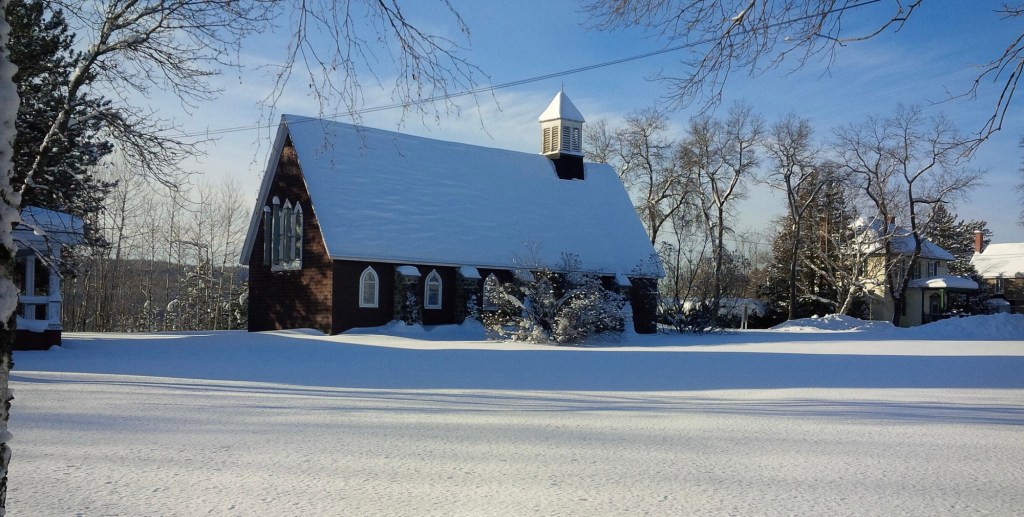
Resting deep within Quebec, they sit, a thorn in the side to some, a reminder of refuge to others, deconsecrated and repurposed.
Former Anglican Churches now serve as shops, studios, museums, Bed and Breakfasts, homes, and alternative places of worship. In Abitibi, Mauricie, Saguenay and the St. Lawrence North Shore, they echo a world no longer—an English speaking community of a Quebec company town. (Former St.Bede’s, Rouyn at right)
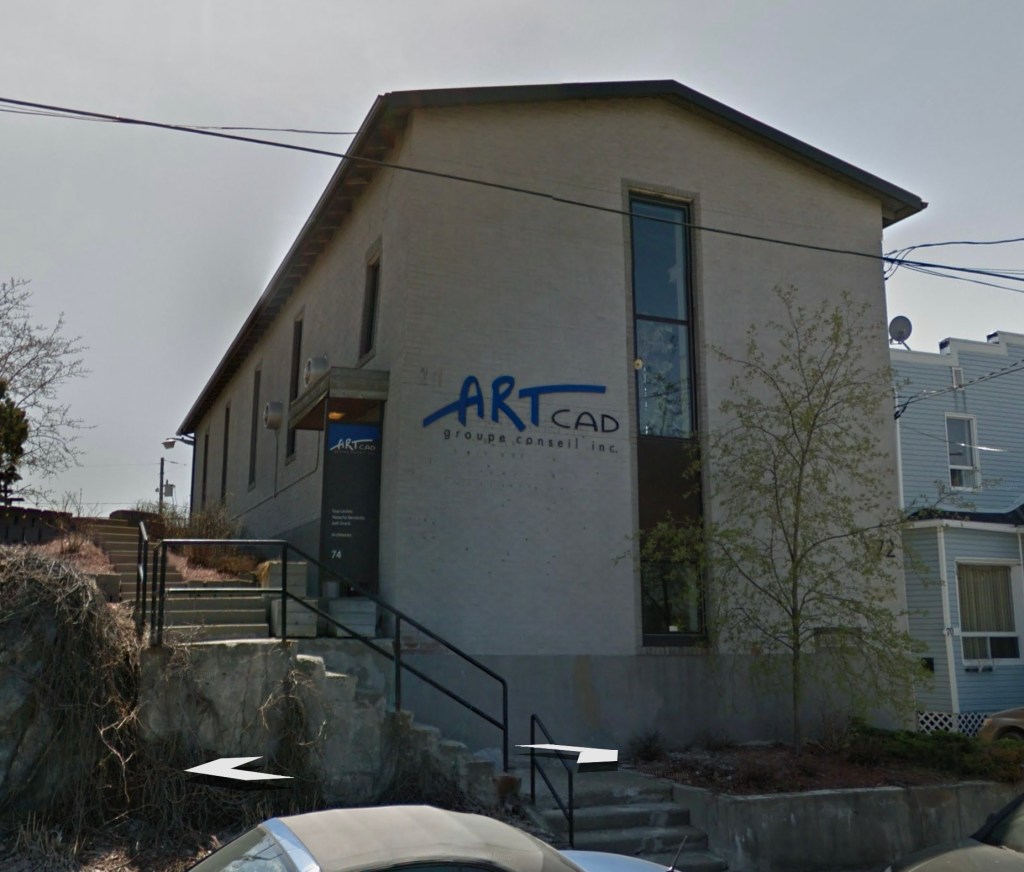
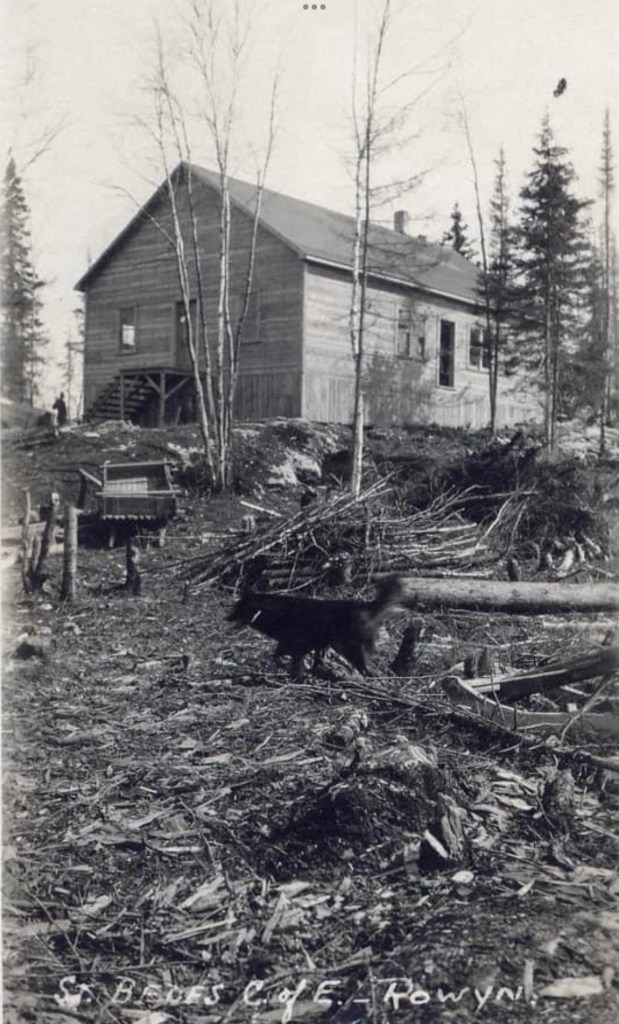
To understand how they came to be here one must return to the world to which they were invited.
(St.Bede’s, Rouyn, 1926, at left)
Quebec of the early 1900’s offered immense undeveloped resources in mining, lumber, industry and hydro-electric power. These ‘unclaimed’ riches waited in vast unpopulated areas. Only a few brave French-speaking colonists wrestled a living in this forested wilderness. Engineers, mechanics, construction and skilled labourers were needed to develop the potential for American and English investors.
Quebec’s education system could not provide for such an undertaking. Until 1964, the province did not have public education. Two parochial systems, one guided by the Catholic Church (French language), and one other run by the Protestant church (English language) served the needs of Quebec (1).
(LaTuque, 1961, majority of teachers from religious orders (3))

Under the Quebec Act of 1774 (4), Roman Catholic Faith and French Civil law was preserved for French-speaking inhabitants of Quebec. This was affirmed, post-Confederation, under the Quebec Council of Public Education(2) with parochial schools.
Based on an earlier Jesuit tradition Quebec French education was provided through classic Catholic colleges in a strong curriculum oriented towards theology, logic, philosophy, classics and letters with little exposure to mathematics and science. Most of the colleges were private, limiting education of those who could afford it.
Quebec could not meet the need for Professional Engineers and technical competence. Neither could Canada. Only thirty years previous, in 1887, Canada began awarding engineering degrees(5). Before then, engineering was viewed, primarily, as a military occupation. Consulting firms were associated with British or American principals.
By 1919, 4,500 engineers were in professional practice in Canada, very few were French Canadian. Capitalists were forced to hire English engineers from Britain or the United States to undertake the development of roads, railways, manufacturing, mining and hydro-electric power.
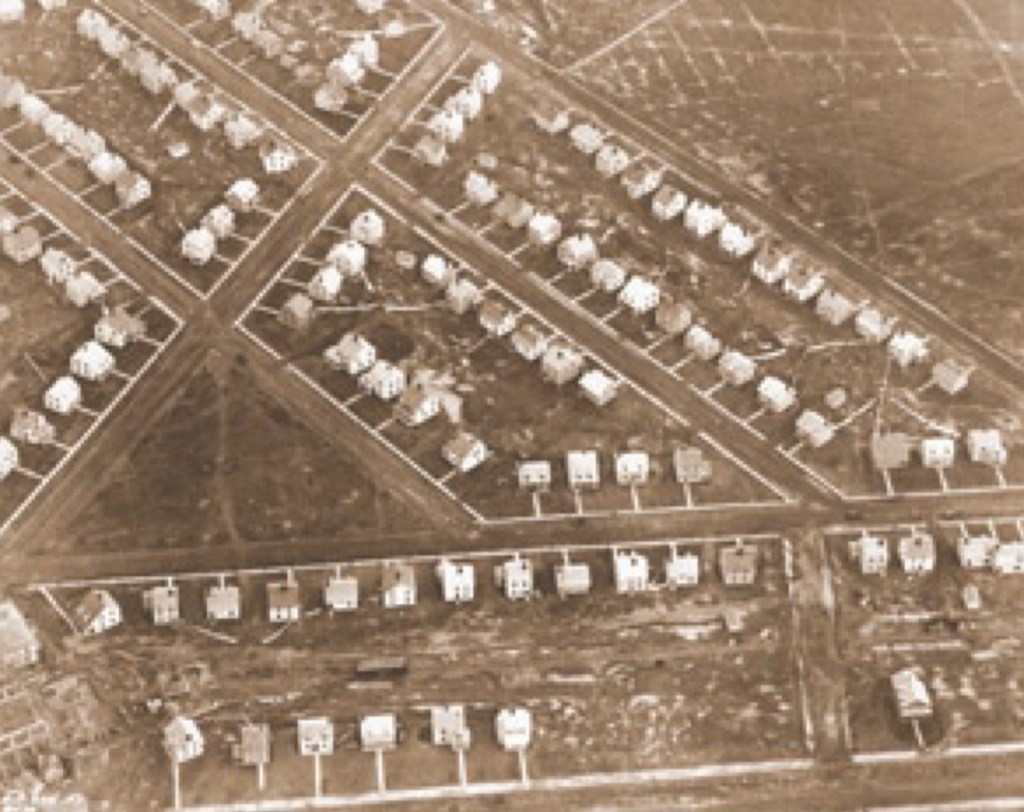
Recruitment was undertaken from the United States, Great Britain, and other parts of Canada and necessitated building of company towns with homes, schools and churches to attract skilled employees to rural Quebec.
(Arvida, 1926, at left)
English became the dominate language of resource development and day-to-day implementation of technical expertise in Quebec. This was furthered by the need to communicate with English and American capital investors such as Sir William Price (Saguenay) and the Brown Family (Mauricie).
Catholic and Protestant churches and parochial schools needed to be built for these company towns. Both Roman Catholic and Protestant Anglican Churches had undertaken mission work in these undeveloped territories mapping Canada into geographic governance dioceses (6).
Established for over 400 years, the Anglican church was familiar to both British (Church of England) and Americans (Episcopalism). Flexible Anglican theology accommodated the spectrum of Protestant principles and had a strong foothold in Quebec’s parochial education system (7) providing foundation to many Canadian universities. Quietly evangelical, they collaborated well with Roman Catholicism and made no judgement of dancing, moderated alcohol use, smoking and other such sources of merriment. As a result, the Protestant Anglican Church presented a ‘middle road’ solution for Company sponsorship.
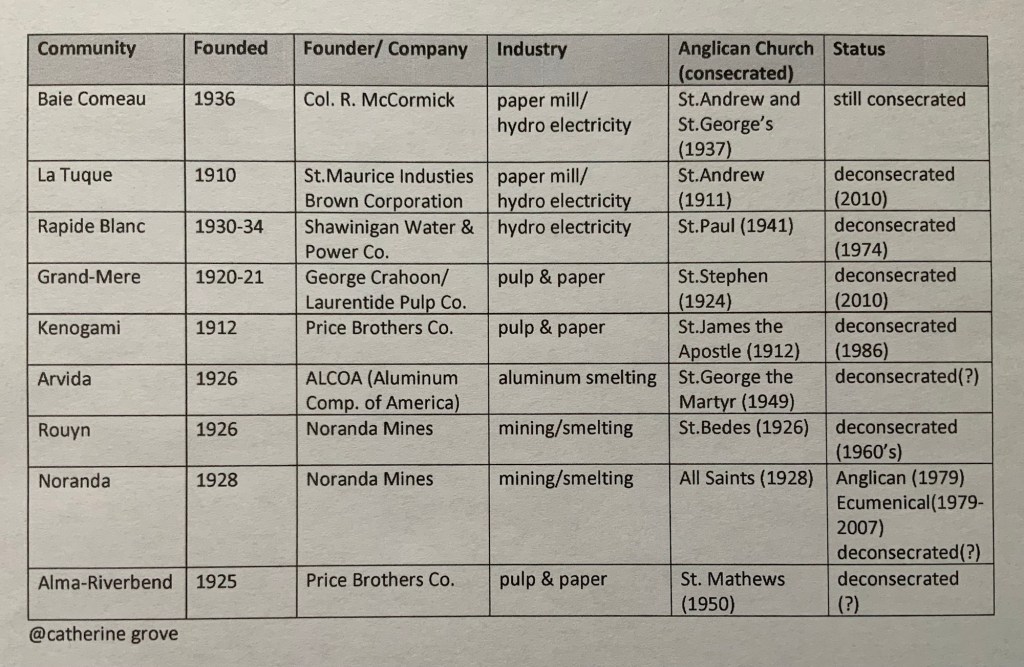
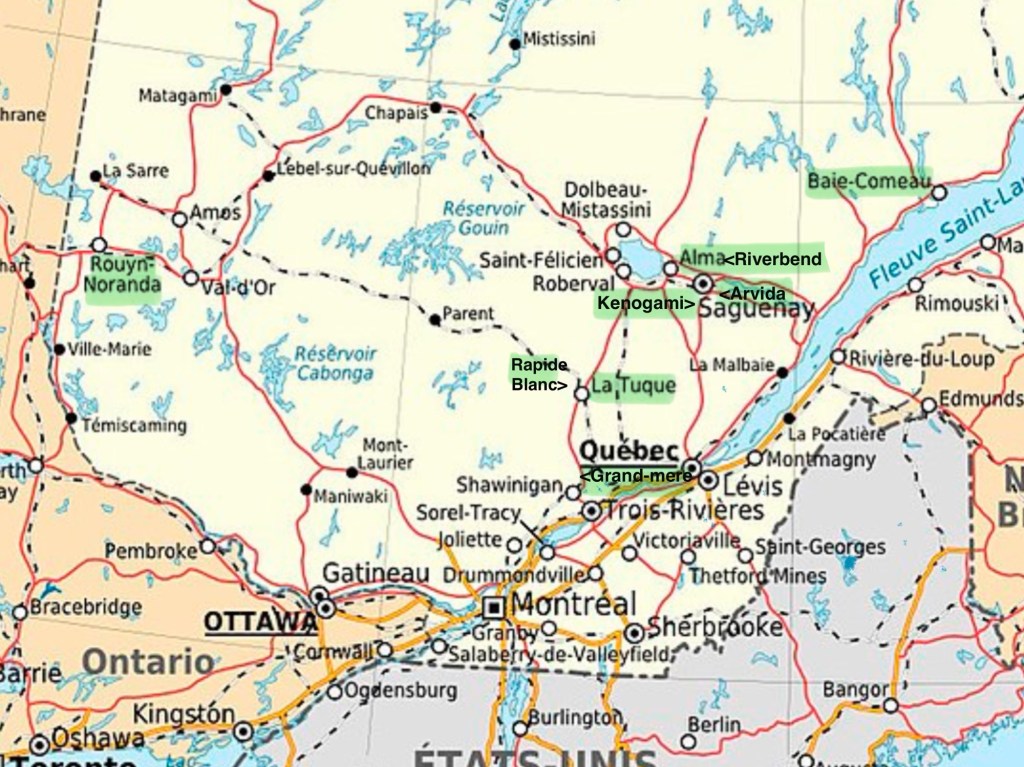
These churches provided more than a place for worship to transplanted English-speaking population. (Location of selected company towns in map, at left)
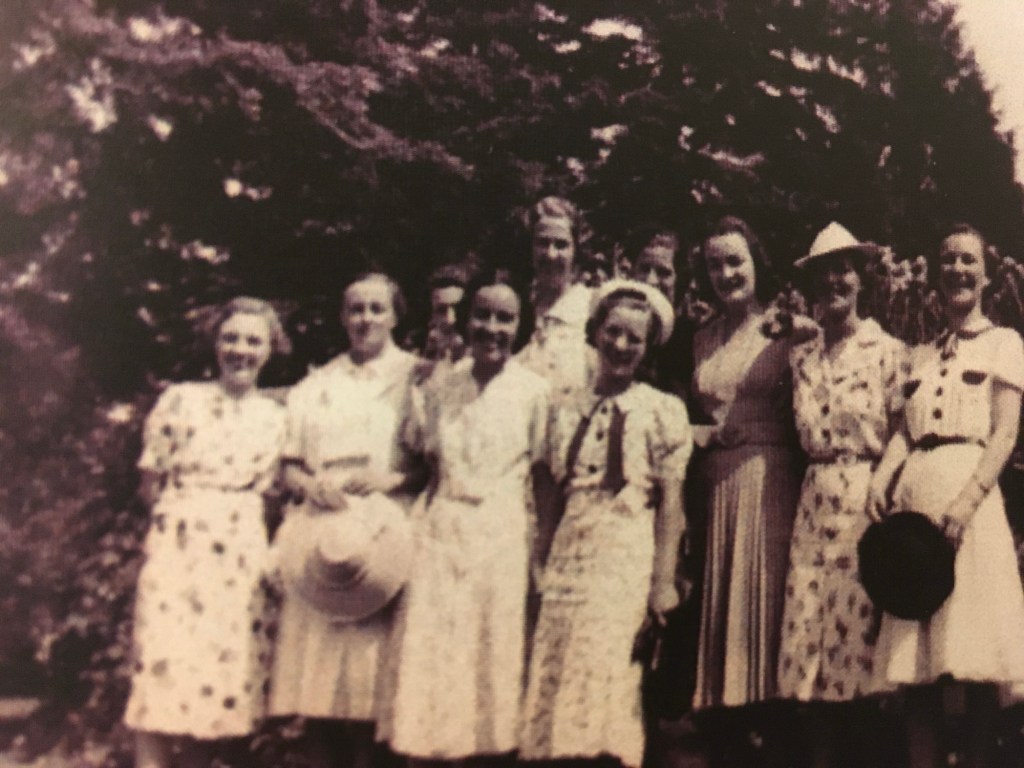
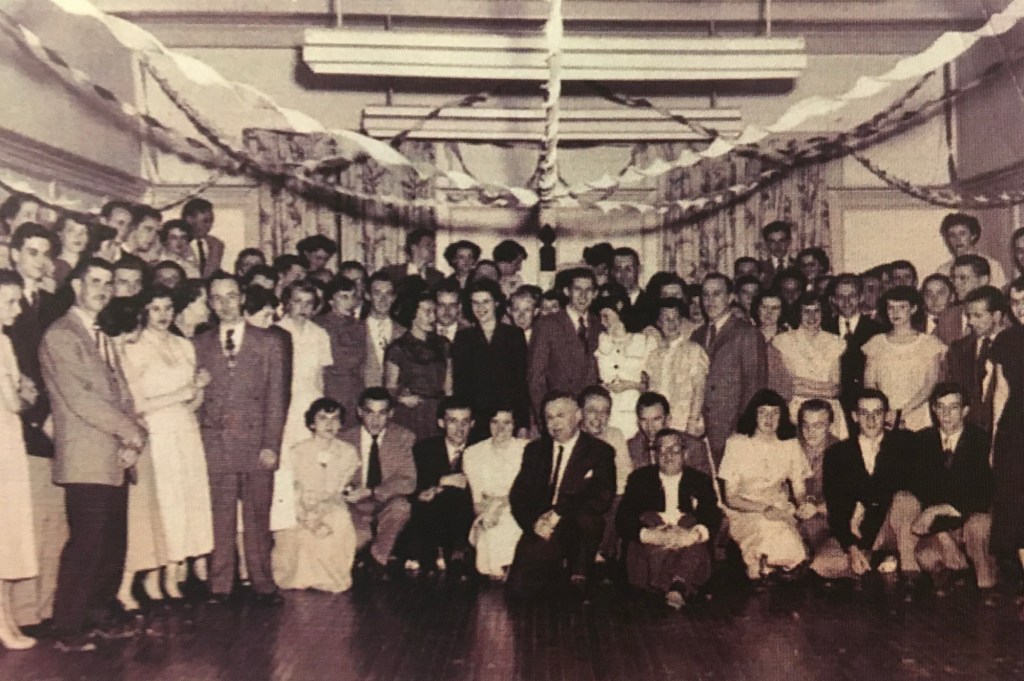
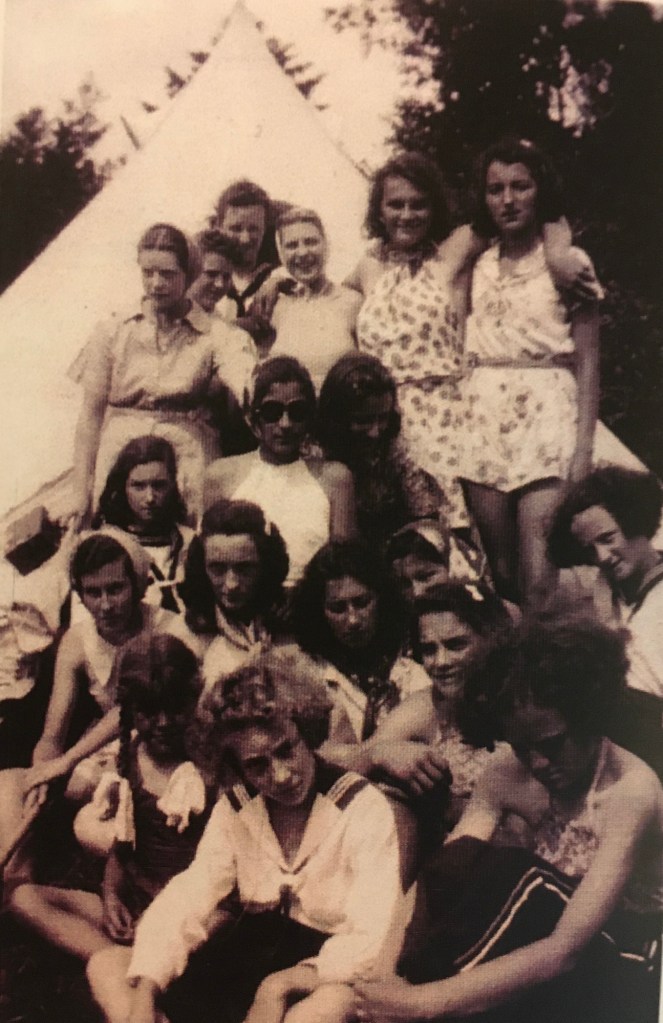
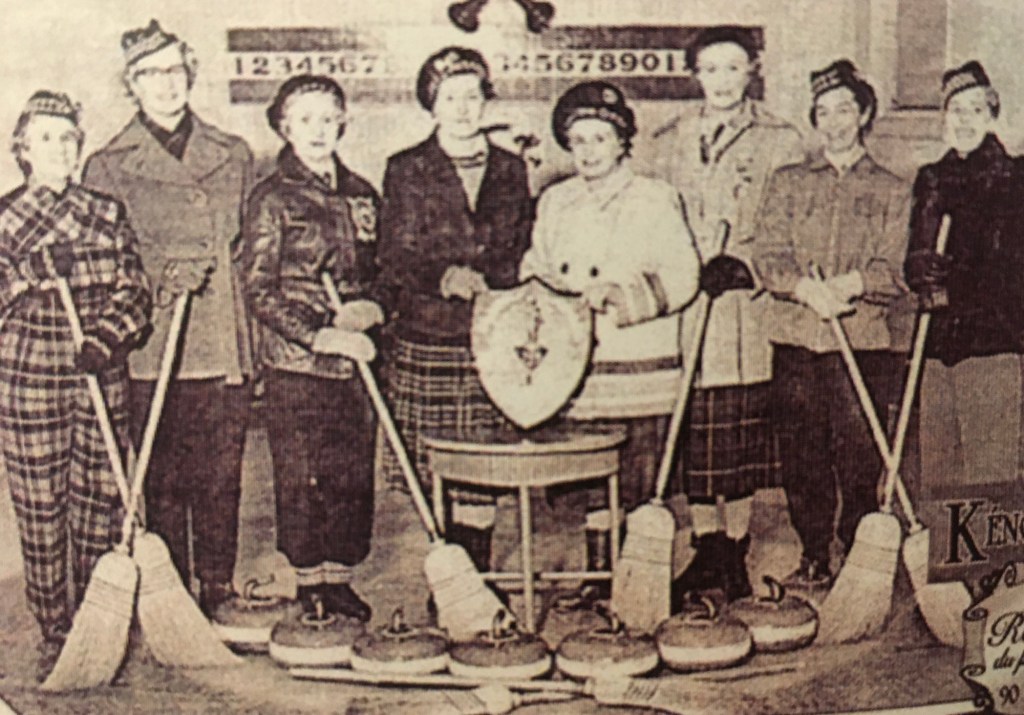
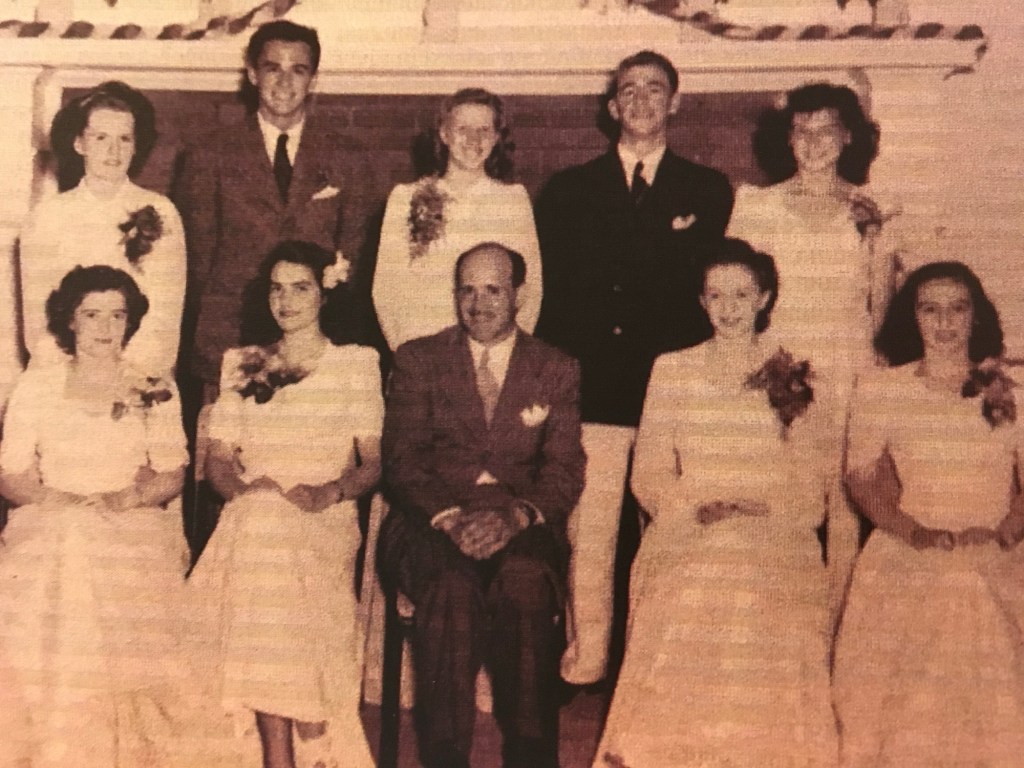
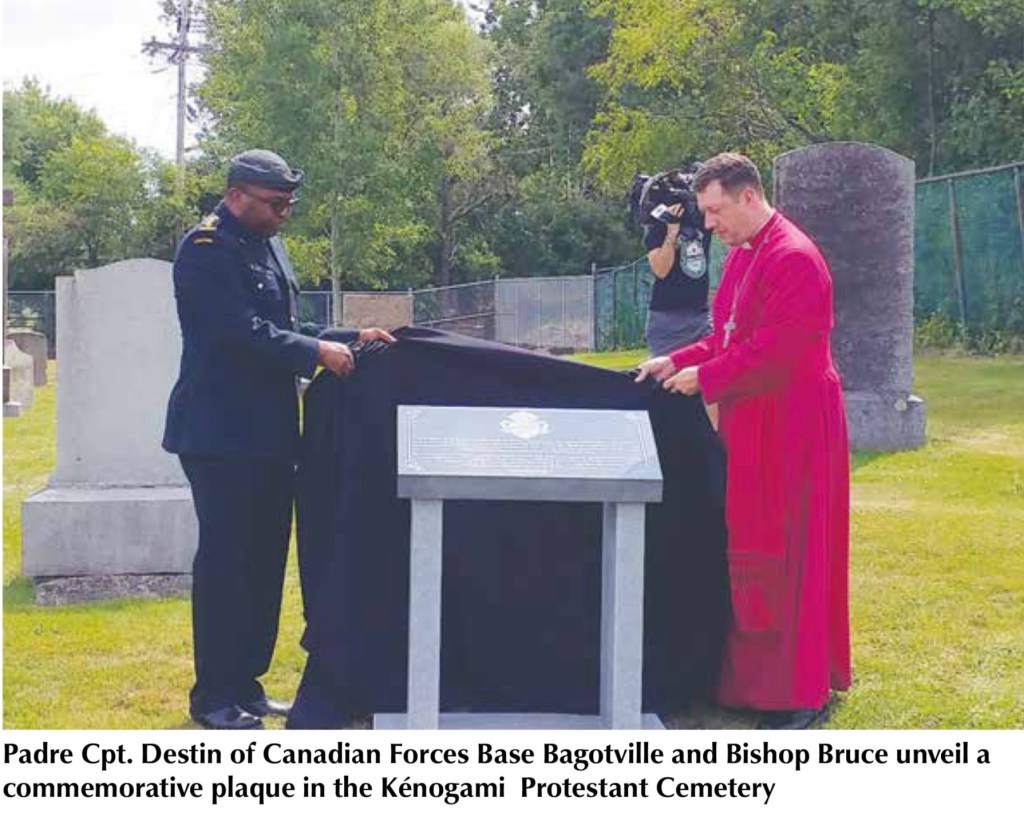
Welcoming children through christening/baptism, showers Sunday schools, annual picnics, they supported life’s mile-stones with weddings, funerals, cemeteries and memorials. Through two World Wars, the Great Depression, and the ‘booming’ development of post-war Canada(1910 to mid-1960’s) they provided an English social centre.
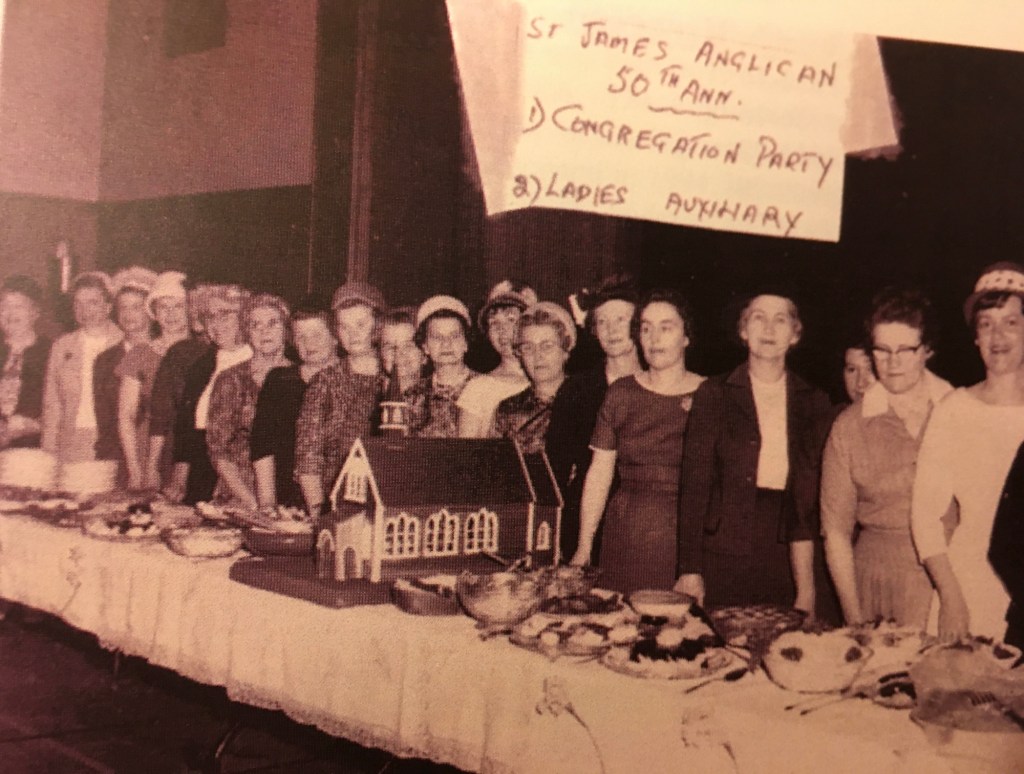
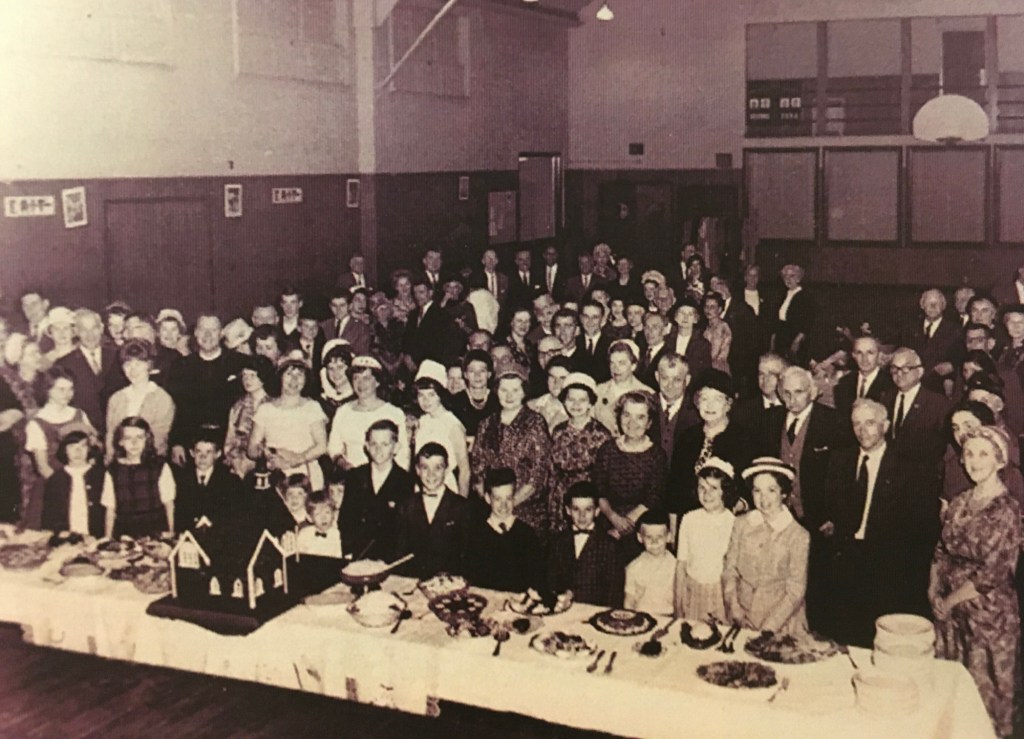
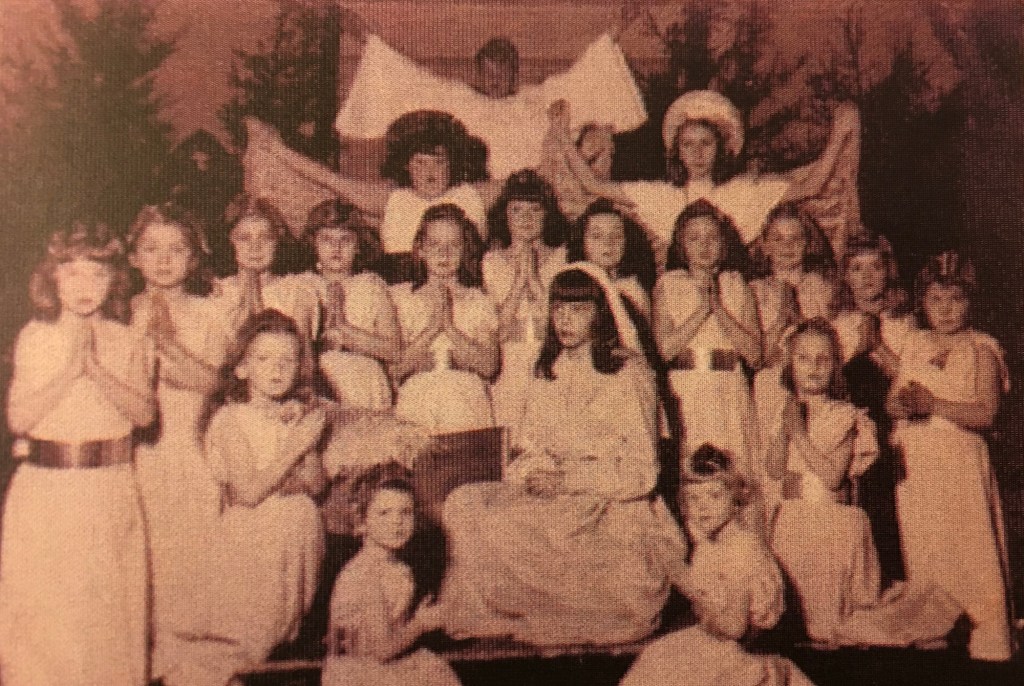
Their Ladies Auxiliaries (12) raised funds for charity through Christmas bazaars, and provided ‘drop-ins’ for youth to gather, Brownie, Guides and Scout troops, and Christmas pageants unique from the surrounding French Catholic community.
During the mid-1960’s, Quebec underwent a cultural upheaval known as the ‘Quiet Revolution’ (8) resulting in liberal political change. The 1964 Parent Report challenged Roman Catholicism’s hold on education and proposed a unified democratic education system resulting in increased secularism.
This liberal political wave welcomed changes to social health insurance, women’s rights and nationalized hydro-electric companies.
Quebec quickly adjusted to the educational needs of industry and by the late 1960’s merged private classic colleges into a publically funded system of vocational and university preparation colleges known as CEGEPs (English translation of acronym – General and Vocational colleges). French University programs were enhanced to meet the needs of Science and Engineering.
This Quiet Revolution efficiently revised Quebec’s industry and resource development. Concurrently, former paternal companies evolved into international conglomerants. Hydro-electric power was now in the government’s domaine of Hydro-Quebec and French Professional Engineers and technically skilled workers were available to address industry’s need, Further legislation of the 1970’s (Bill 101, 1972, (2)) led to mandated French usage in both public and private industry.
Quebec’s secularization, coupled with the mandated use of French, resulted in an exodus of English youth and retirees from rural Quebec (10). English speakers in rural company towns fell from roughly 30% to less than 1% population. Anglo Quebec outside of Montreal is on the verge of disappearing.
Some English multi-grade public schools remain, though greatly reduced in population: Noranda High School (in Abitibi), La Tuque High School and Shawinigan High School (in Mauricie), Riverside High School (in Saguenay), and Baie Comeau High School (St. Lawrence North Shore). Students of these schools are in possession of a ‘Certificate of Eligibility’ because of a parent having attended a Quebec English School (11). Many are offspring of a mixed language marriage and might be considered to have French as a ‘mother’ tongue.
Company-town Anglican churches have not fared as well.
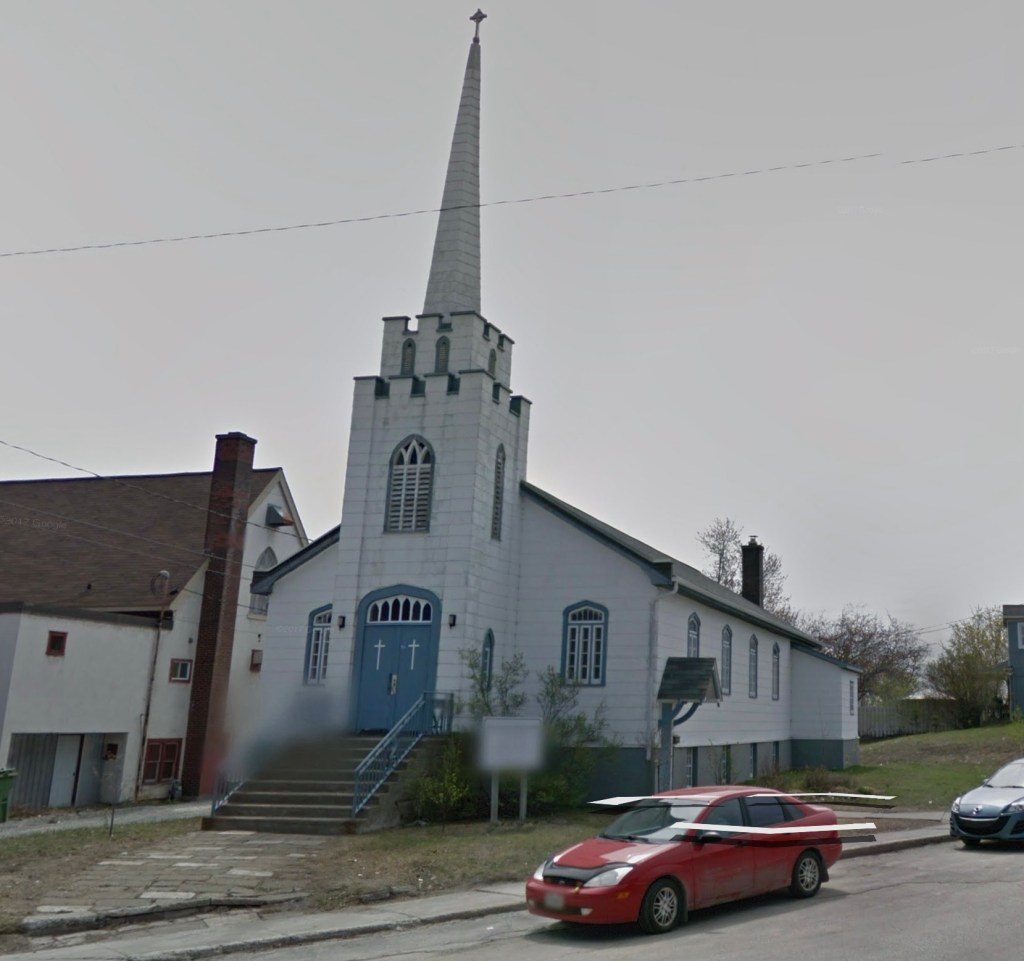
Chetienne de Rouyn-Noranda
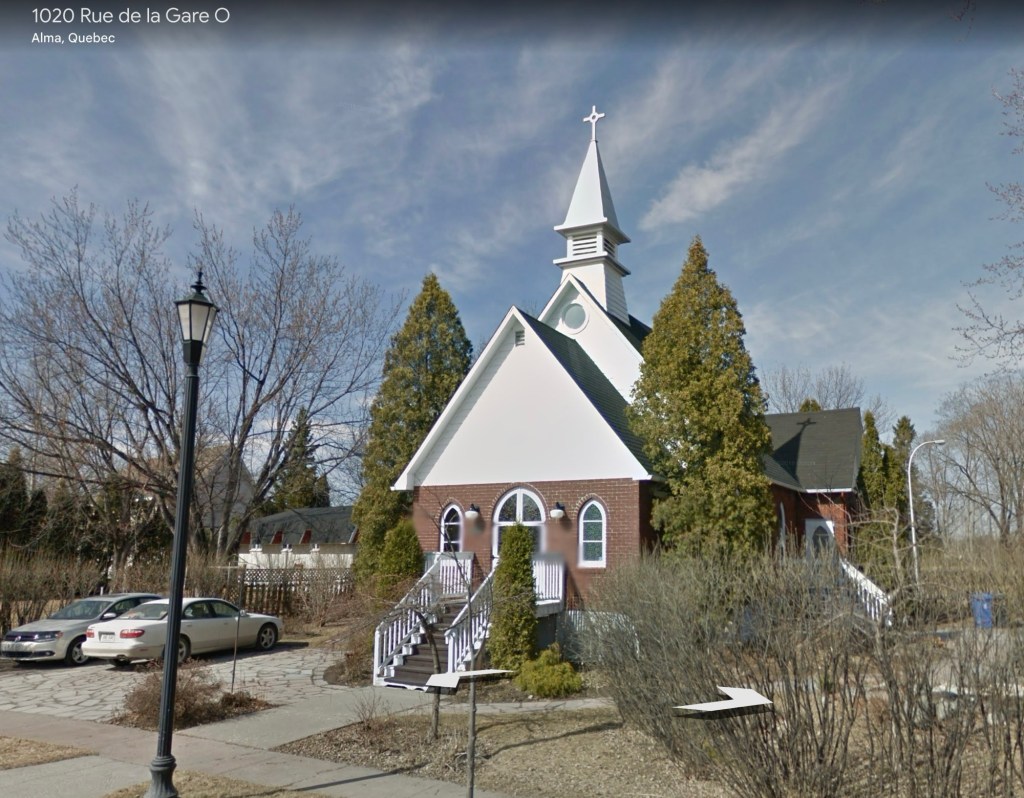
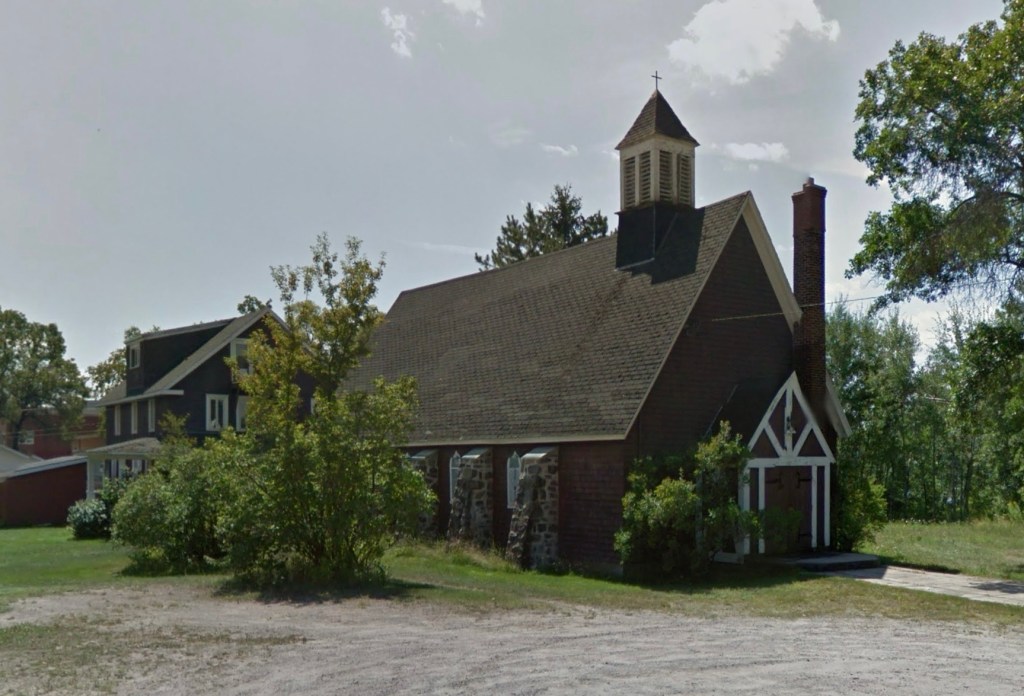
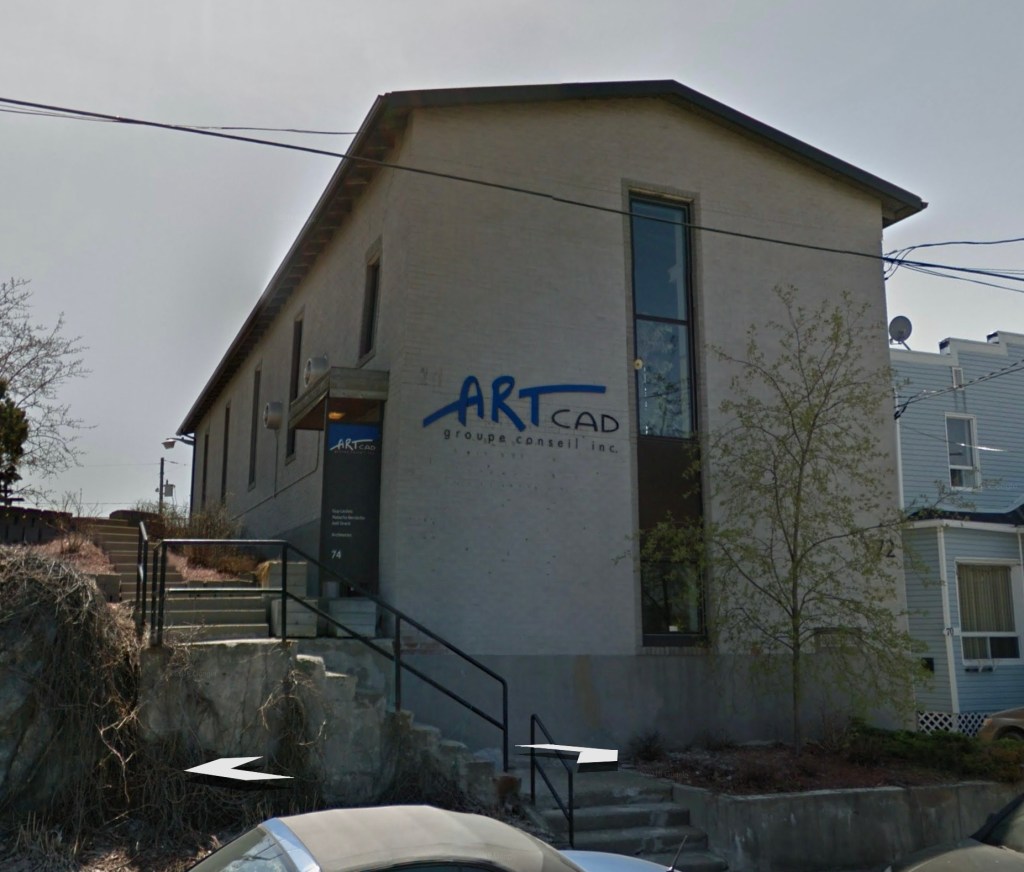

Silently they remain, a vestige of the once thriving English community that harnessed resources, and built industries bringing prosperity to Quebec.
Here is the church and here is the steeple.
Open the doors and see all the people.
Close the doors and let them pray.
Open the doors and they all walk away.
References used by Catherine Grove:
- Classical College (Colleges Classiques). Wikipedia
- 1869 Quebec Council of Public Education; 1977 Bill 101- priority of French in law, public administration and education in Quebec, Catholicregister.org
- Album Souvenir du Cinquantenaire des Freres Maristes, La Tuque, Ecole St.Zephirin, Ecole Secondaire Champagnat, 1911-1951
- The Quebec Act of 1774, the Canada Encyclopedia (May 11, 2020), thecanadianencyclopedia.ca
- Canadian engineer in History; A Thumbnail Sketch, Andrew H (Drew) Wilson, FCAE, May 2020, Prepared at the request of the Canadian Academy of Engineering
- The Anglican Church of Canada, Map of Ecclesiastical Provinces, Anglica.ca
- Anglicanism in Canada, (February 6, 2020), thecanadianencyclopedia.ca
- Quiet Revolution, (March 4, 2015), thecanadianencyclopedia.ca
- Half of Dioceses of Quebec Parishes Set to Close, December 2014, Anglican.ink
- Anglos Leaving Quebec Region, January 25, 2023, CBC.ca
- Access to English Schools in Quebec: The Certificate of Eligibility and Other Options, (2024) Deucalion.qc.ca
- The history of the English Community at Kenogami, Quebec (1910-1951), David & Clark McIntosh
 Catherine Grove
Fascinating piece of history! Thanks so much for posting!!
LikeLike